Basic HTML Version


Chapter 12 — 4
!
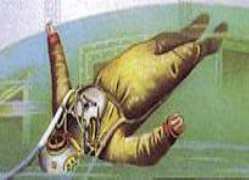
SUIT BAROTRAUMA OF ASCENT
("
BLOW UP
")
With either dry suit or standard dress,
the gas in the suit can expand with
ascent, causing increasing buoyancy,
more rapid ascent, etc. and a vicious
circle develops where the diver may
hurtle to the surface and be imprisoned
in a balloon-like inflated suit. Special
training and emergency procedures are
needed for recreational divers who wear
this equipment. As well as the physical
injury
that
may
result,
other
barotraumas
and
decompression
sickness are likely.
Fig 12.5
GASTROINTESTINAL
BAROTRAUMA
Gas is normally present in the gastro-intestinal tract. This finds its way into the atmosphere
from time to time, as those who consume prunes, baked beans or cabbages will attest.
During a dive, gas may be swallowed when the diver equalises his ears, especially if in the
inverted (head-down) position. It may accumulate in the stomach and gastrointestinal tract
without initially causing any discomfort to the diver. During ascent however, this accumulated
gas increases in volume, and can result in cramping colicky abdominal pain, belching and
vomiting. Rare cases of stomach rupture have even occurred.
Divers are advised not to equalise their ears in the "head down" position.
Several cases of severe gastric discomfort have been reported during chamber dives when the
divers drank carbonated beverages while under pressure. One amusing account relates the
opening of a new hyperbaric facility which was toasted by champagne at 20 metres depth. The
occupants were disappointed that the champagne appeared to be flat, but they drank with relish
anyway because it tasted good. Their discomfort was exceeded only by their embarrassment
during ascent as the gas in the champagne came out of solution and expanded in their
stomaches.