Basic HTML Version


Chapter 29 — 14
PRESSURE BANDAGE + IMMOBILISATION
TECHNIQUE
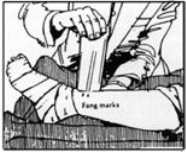
This is used to delay the absorption of venom from a wound. A bandage (preferably
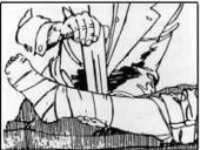
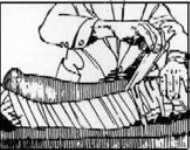
stretchable) is applied over the bite and then wrapped around the limb (and extending up the
limb) tight enough to block the drainage vessels (lymphatics). The pressure is approximately
the same as that used to treat a sprained ankle.
Care must be taken not to put the bandage on so tight that it causes pain and cuts off
circulation. For this reason the technique is not applicable to painful, swollen bites or stings
that already have circulation impairment – such as fish stings
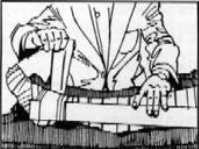
The limb should then be immobilised with a splint to prevent any local muscle movement
(this spreads the venom despite the bandage).
The pressure bandage+immobilisation of a limb should be continued until the victim has
knowledgeable medical personnel and facilities available to cope with the envenomation.
This happens as the bandage is released and the venom moves into the bloodstream. The
doctors may well administer antivenom (if available), before removing the bandage.
The technique is especially applicable to sea snake, blue ringed octopus and cone shell bites.
A variant may be used if the bite is on the torso, with a pad and bandage to produce the
pressure.
1
2
3
4