Basic HTML Version


Chapter 29 — 13
The spine may produce a puncture and deposit venom. Its serrated edge can cause serious or
even lethal lacerations. Parts of the spine, marine organisms and a toxic slime may be left in
the wound to cause infections and local inflammation.
Clinical Features
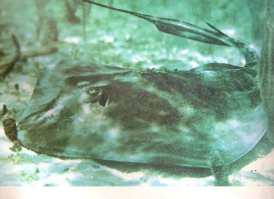
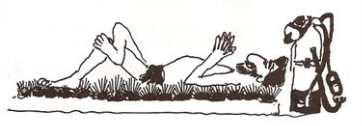
Fig. 29.13
Typical manner in which a
stingray injury occurs
Pain
caused by the toxin is
immediate
and
very severe.
Swelling
is rapid. Toxin may be
absorbed into the body producing
generalised symptoms
of syncope
(
fainting
), weakness, palpitations,
low blood pressure and disturbances
of cardiac rhythm.
Death
is rare –
except in cases where a vital organ
such as the heart have been pierced
by the spine.
Despite initial improvement, there
can be a deterioration in the clinical
state some days later, if there is any
foreign material or organisms left in the wound, or if damaged tissue becomes necrotic. For
this reason, all cases should be referred for medical assessment.
.
Treatment
The
basic life support
resuscitation may be needed (Chapter 42).
Hot water
immersion
treatment and/or
injected local anaesthetic
, as described for stonefish injury, are useful. The
wound should be
cleaned
to remove any foreign body or venom. An X–ray, ultrasound, CT
or MRI may demonstrate an embedded spine, which needs to be removed surgically. Local
antibiotic cream, and often oral antibiotics (such as doxycycline), are indicated.
Prevention
Shuffling the feet while wading in areas frequented by stingrays will usually allow them to
move away. Footwear may not be adequate to protect the feet or lower legs from these
injuries. Diving into shallow waters where these animals inhabit could be dangerous. Divers
should swim well above the sea bed.
OTHER MARINE ANIMALS
Many other marine animals may cause major or minor injuries, and require different first-aid
treatments. These, together with more detailed descriptions of the potentially lethal animals
and those poisonous to eat, are fully discussed in the companion text "Dangerous Marine
Creatures" by Dr. Carl Edmonds (See appendix A).